

The maritime laws of the Arabic Republic of Egypt are based on the principles of freedom of navigation, innocence, national sovereignty, and peaceful settlement of disputes. They are also in accordance with the 1982 United Nations Convention on the Law of the Sea (UNCLOS). The Egyptian government has the right to establish rules and regulations in order to ensure the safety of navigation and the protection of the marine environment. It also has the right to manage its territorial waters, continental shelf, and exclusive economic zone (EEZ).
The 1982 UNCLOS defines the rights and responsibilities of nations with respect to their use of the world’s oceans and establishes guidelines for businesses, the environment, and the management of marine resources. The convention sets out the exclusive economic zones (EEZs) of coastal nations. The maritime laws of Egypt are based on international treaties and conventions, as well as on domestic legislation. Maritime law is a branch of public international law and is concerned with the regulation of maritime activities. It includes the law of the sea, shipping law, and Admiralty law.
Types of Maritime Laws in Egypt
The maritime laws of Egypt can be divided into three main categories: public maritime law, private maritime law, and maritime criminal law.
Admiralty law
Public maritime law is concerned with the regulation of maritime activities that are of interest to the state, such as navigation, shipping, fisheries, and pollution. It is also known as merchant shipping law. It is stipulated in article 9 of the Egyptian Constitution. The 1982 UNCLOS is the main international treaty that governs public maritime law.
Private Maritime Law
It is stipulated in article 156 of the Egyptian Constitution. Private maritime law is concerned with regulating maritime activities that pertain to private individuals, such as contracts of carriage, insurance, and ship mortgages. The main international treaty that governs private maritime law is the 1952 Convention on the High Seas.
Maritime Criminal Law
 Criminal maritime law addresses the punishment for crimes committed at seas, such as piracy, murder, and drug trafficking. It is also known as maritime penal law. It is stipulated in article 157 of the Egyptian Constitution. The main international treaty that governs maritime criminal law is the 1982 UNCLOS.
Egyptian Maritime Law on Vessels and Ships
Every ship has a flag and is subject to the laws of the country whose flag it flies. A ship that does not have a flag is known as a stateless ship. Egyptian law applies to all ships that are registered in Egypt, regardless of their flag. Ships registered in other countries are subject to the laws of those countries.
The Merchant Shipping Law governs the registration of ships in Egypt. The owner of a vessel registered in Egypt must be a citizen or a company incorporated in Egypt. The classification of ships is essential for determining which rules and regulations apply to a particular vessel. There are three main categories of ships:
Passenger Ships
Passenger ships are vessels that carry passengers for hire. They include cruise ships, ferries, and yachts. The international treaty that governs passenger ships is the 1974 International Convention for the Safety of Life at Sea (SOLAS).
Cargo Ships
Cargo ships are ships that carry cargo for hire. They include container ships, oil tankers, and dry bulk carriers. The international treaty that governs cargo ships is the 1976 Convention for the Carriage of Goods by Sea (COGSA).
Fishing Vessels
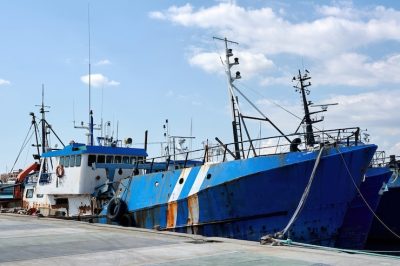 Fishing vessels are vessels that are used for fishing. They include trawlers and factory ships. The international treaty that governs fishing vessels is the 1995 Agreement on the Conservation and Management of Straddling Fish Stocks and Highly Migratory Fish Stocks.
Egyptian Maritime Law on Ports and Harbors
Ports and harbors are subject to the laws of the country in which they are located. Egyptian law applies to all ports and harbors that are located in Egypt. The primary legislation governing ports and harbors in Egypt is the Port and Harbor Bylaw. This bylaw sets out the rules and regulations that must be followed to ensure the safe and efficient operation of ports and harbors. The international treaty that governs ports and harbors is the 1972 Convention on the International Regulations for Preventing Collisions at Sea (COLREGs).
Samaha Legal Consultants is a top-rated full-service law firm with significant expertise in Egyptian maritime law. We have an experienced team of maritime lawyers who are well-versed in all aspects of Egyptian shipping laws. Contact us now to schedule your consultation!

